# 3ds Max

{% hint style="danger" %}
Before uploading, make sure to include the clothing texture in the FBX.
{% endhint %}

### **1.**  Check the clothing object created on the base model

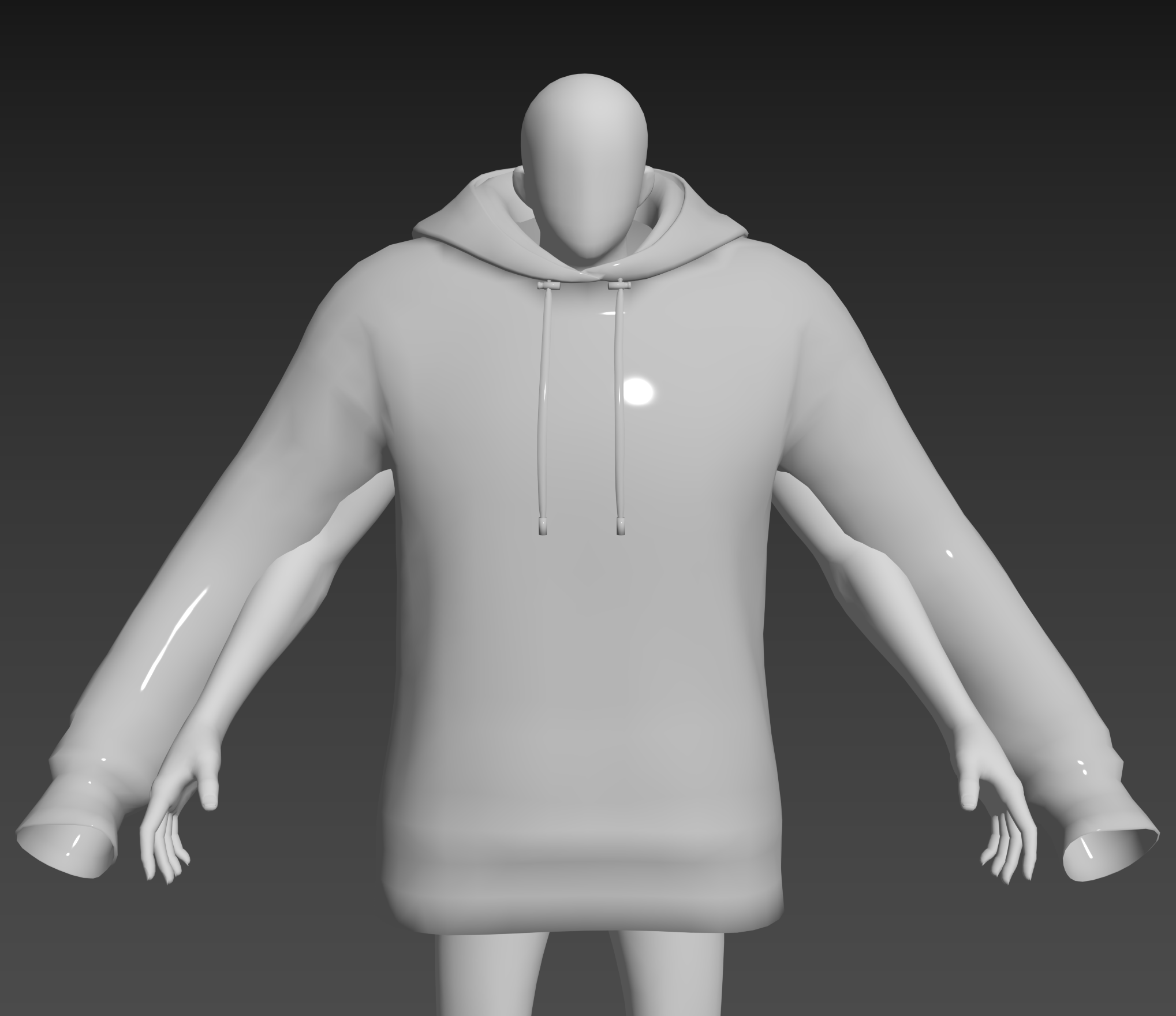
* In the Base Model Setup, check that the created clothing is properly worn.&#x20;

{% hint style="info" %}
If the unit setup or pivot is incorrect, the position may not align correctly.
{% endhint %}

<figure><img src="/files/2OlyG1RWjlPwhJMC8CIU" alt=""><figcaption><p><mark style="color:blue;"><strong>O: The clothing is applied correctly.</strong></mark></p></figcaption></figure>

<figure><img src="/files/0qETYk2tyxZh6lUM4w88" alt=""><figcaption><p><mark style="color:red;"><strong>X: In the case, you must check Units Setup , Scale , Pivo</strong>t.</mark></p></figcaption></figure>

### 2. Applying textures to materials

1. Click on the **\[Material Editor]** in the top menu or press the shortcut key (M).

<figure><img src="/files/CozOobI0MED4JjzwTqc1" alt=""><figcaption></figcaption></figure>

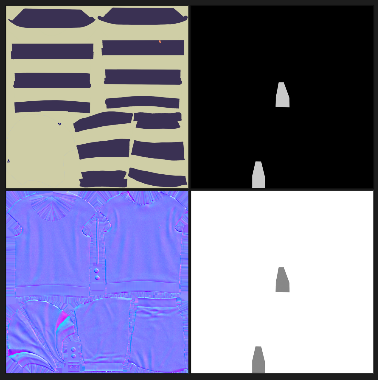
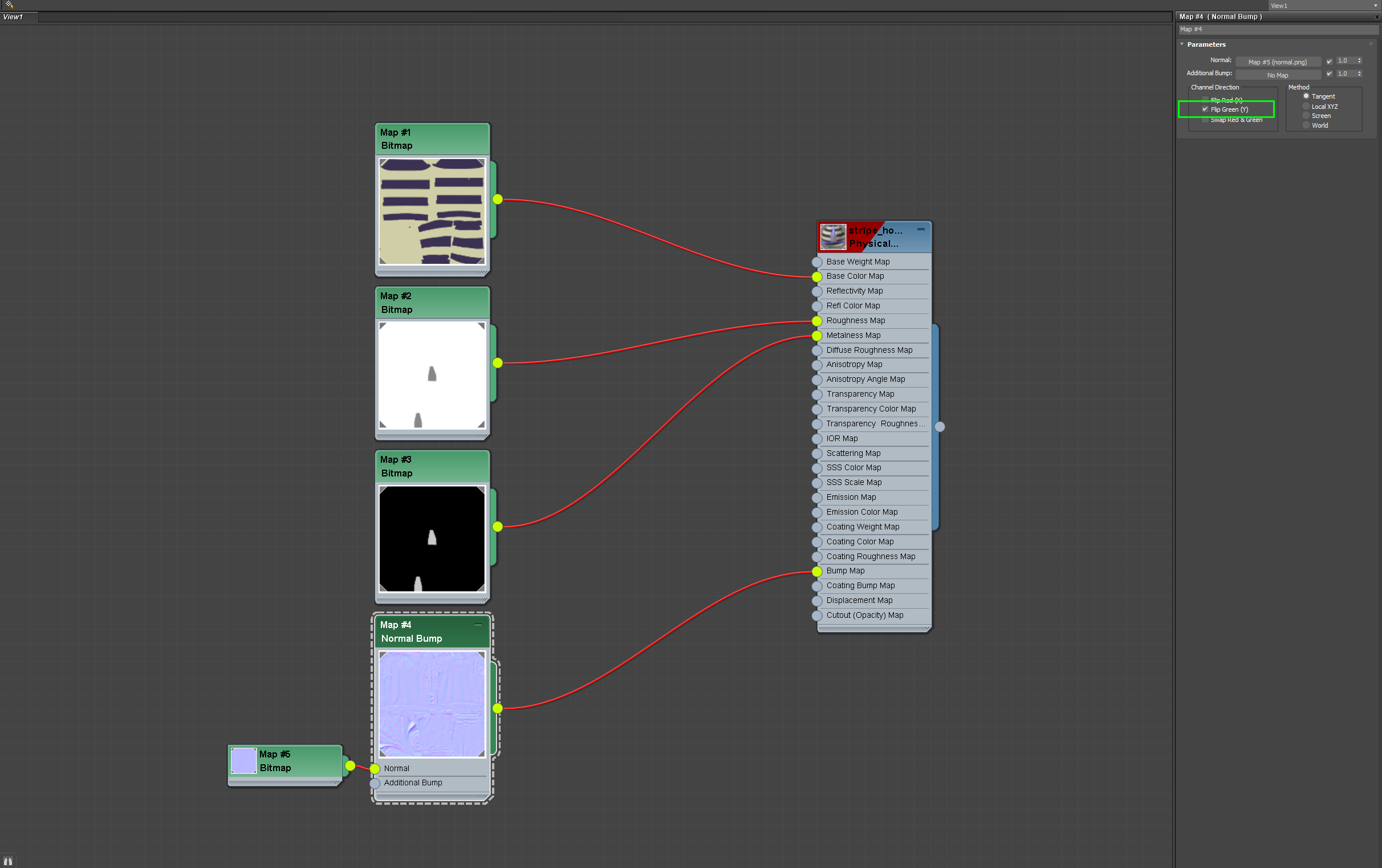
2. Connect the textures created using **Physical Material** to the nodes below.

<figure><img src="/files/NVWoqRE86TOQtzMpaImZ" alt=""><figcaption></figcaption></figure>

<figure><img src="/files/JH23SnHnJ5UuK0nvvUpR" alt=""><figcaption></figcaption></figure>

{% hint style="info" %}
**Diffuse 1024x1024**&#x20;

**Normal 1024x1024&#x20;**<mark style="color:red;">**(Using OpenGL method)**</mark>

**Metallic 1024x1024**

**Roughness 1024x1024**&#x20;
{% endhint %}

<figure><img src="/files/4cTP0ML7hE44Tb5kP3CQ" alt=""><figcaption></figcaption></figure>

{% hint style="warning" %}
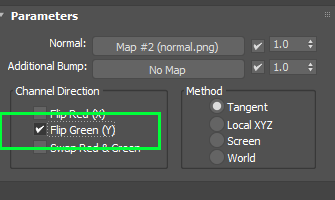
Use the OpenGL method for the normal map. 3Ds Max uses DirectX, so you need to check the **Y-axis** to make it appear correctly.
{% endhint %}

<figure><img src="/files/Xo4LEsjgBcs41OQhPU36" alt=""><figcaption><p>Apply material</p></figcaption></figure>

<figure><img src="/files/GTXRHtNbpTEKwFq7D5Br" alt=""><figcaption><p>You need to change to <mark style="color:red;"><strong>Realistic Material</strong></mark> view to see it properly.</p></figcaption></figure>

### 3. Apply material

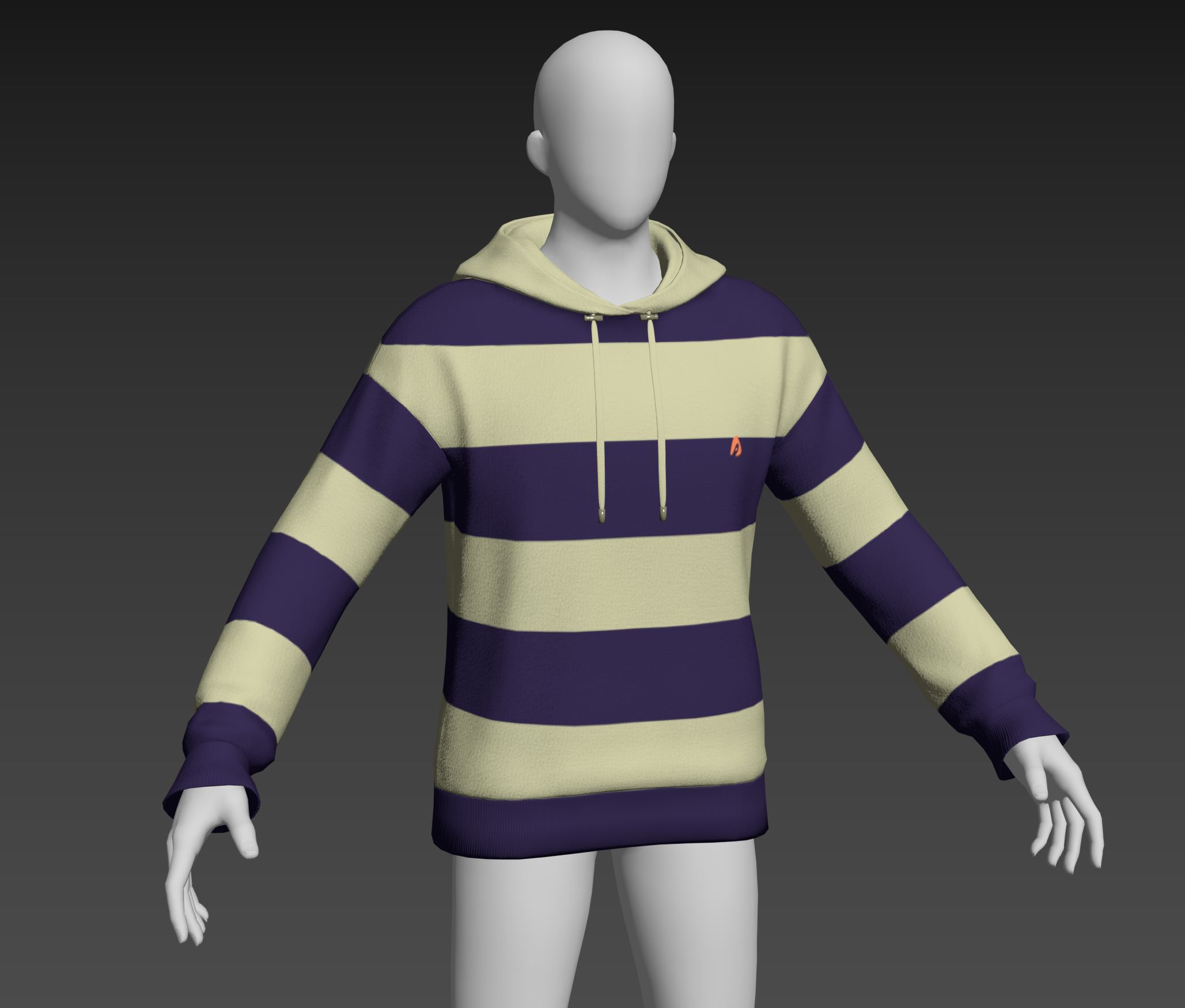
<figure><img src="/files/SacdWFv2VuRveKTK0UHu" alt=""><figcaption><p><mark style="color:blue;"><strong>O: The material has been applied correctly.</strong></mark></p></figcaption></figure>

{% hint style="info" %}
Please check that there are no holes showing the inner mesh and that it is well sealed.
{% endhint %}

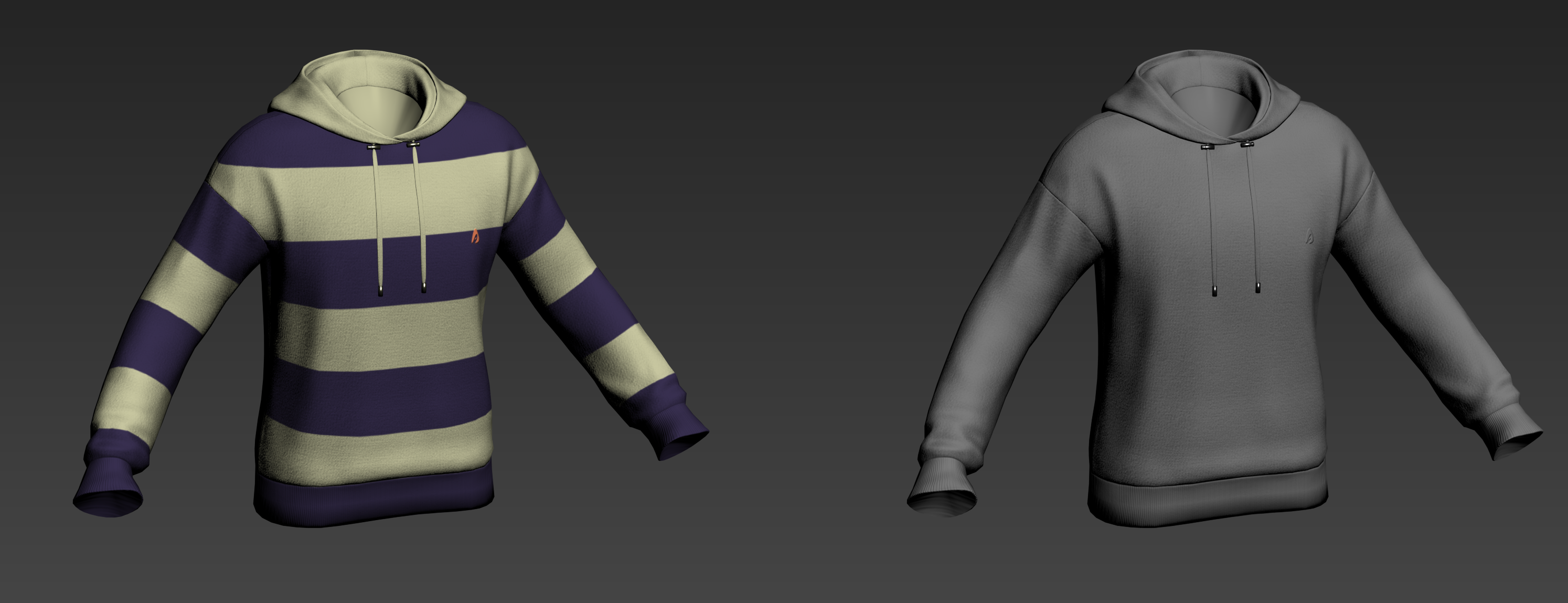
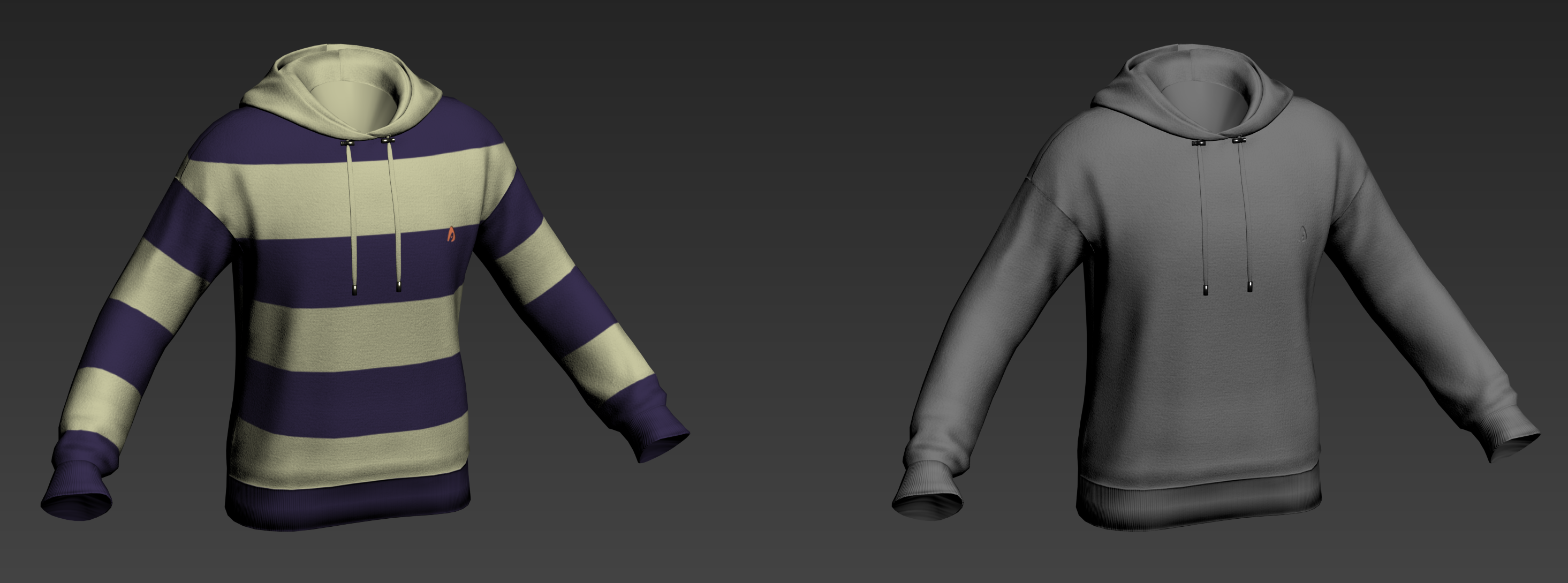
<figure><img src="/files/abL9fDkJXN0zYapiucCK" alt=""><figcaption><p><mark style="color:blue;"><strong>O: The normal map has been applied correctly.</strong></mark></p></figcaption></figure>

{% hint style="info" %}
Ensure that the normal is not flipped and that the applied texture is inserted correctly.
{% endhint %}

<figure><img src="/files/sLONKX08MmZ51PoBO6YA" alt=""><figcaption><p><mark style="color:red;"><strong>X</strong></mark></p></figcaption></figure>

<figure><img src="/files/hOk5ZOGtcOotPdqRqjAo" alt=""><figcaption></figcaption></figure>

{% hint style="warning" %}
If a normal map has been created with OpenGL, it must be checked Y for it to appear normal.
{% endhint %}

### 4. Export the clothing as FBX

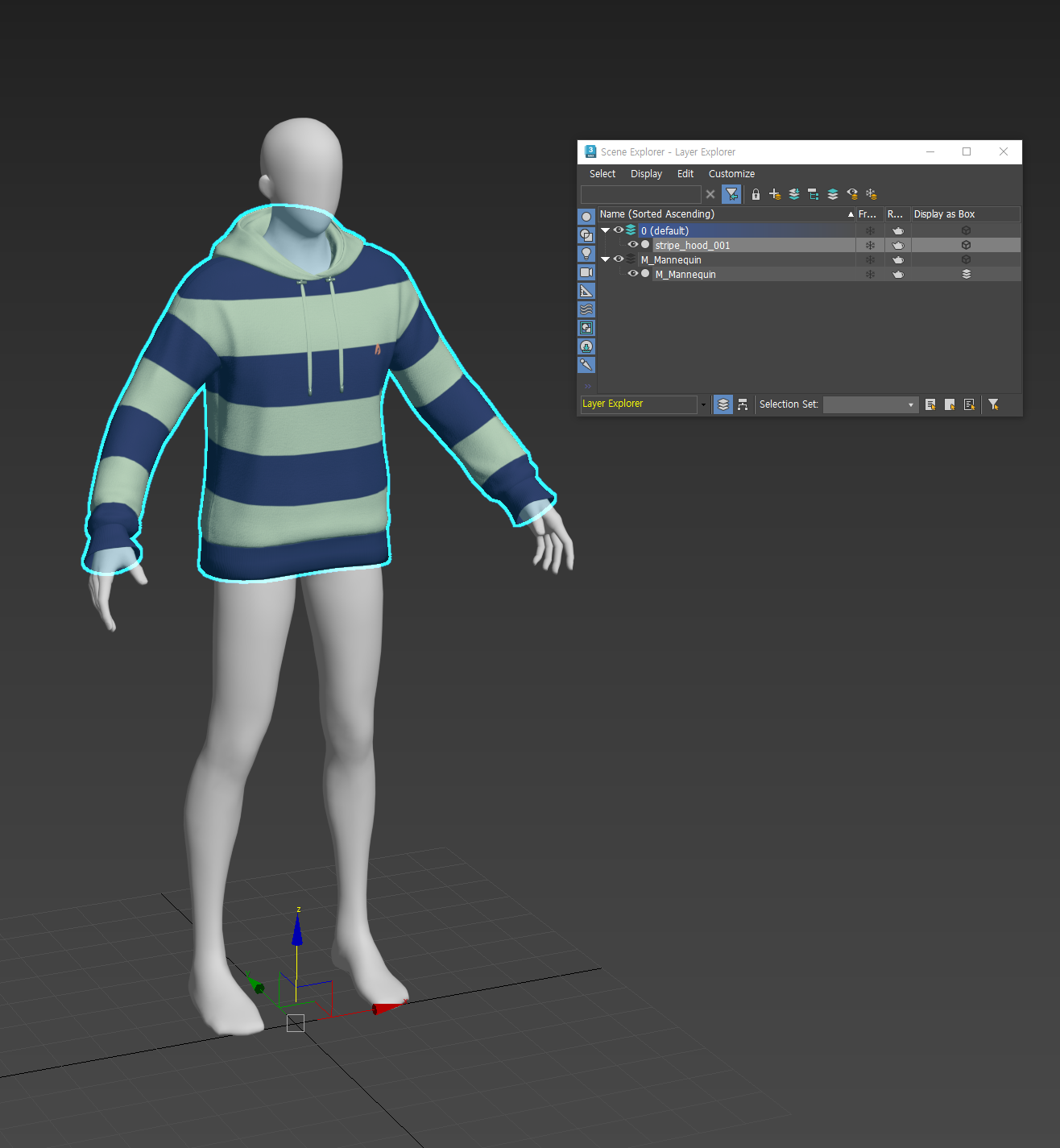
1. Select the clothing to upload individually.

{% hint style="info" %}
The clothing mesh to be extracted should be composed as a single form.
{% endhint %}

<figure><img src="/files/nQeEiLzG5fPYeh6ZlYLH" alt=""><figcaption></figcaption></figure>

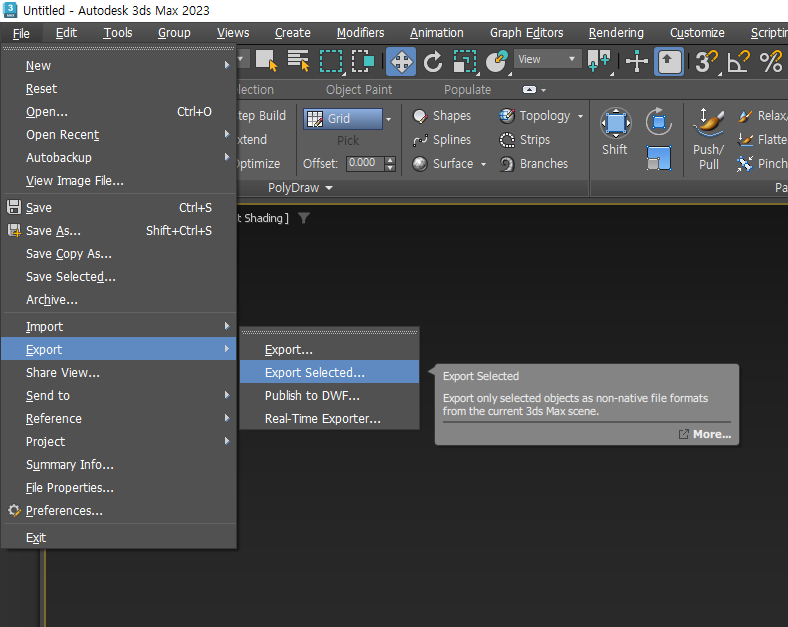
2. \[File] - \[Export] - \[Export Selected] (Export the selected mesh) Select and export as FBX.

<figure><img src="/files/S8K0z8bTKoXbFeavgAVg" alt=""><figcaption></figcaption></figure>

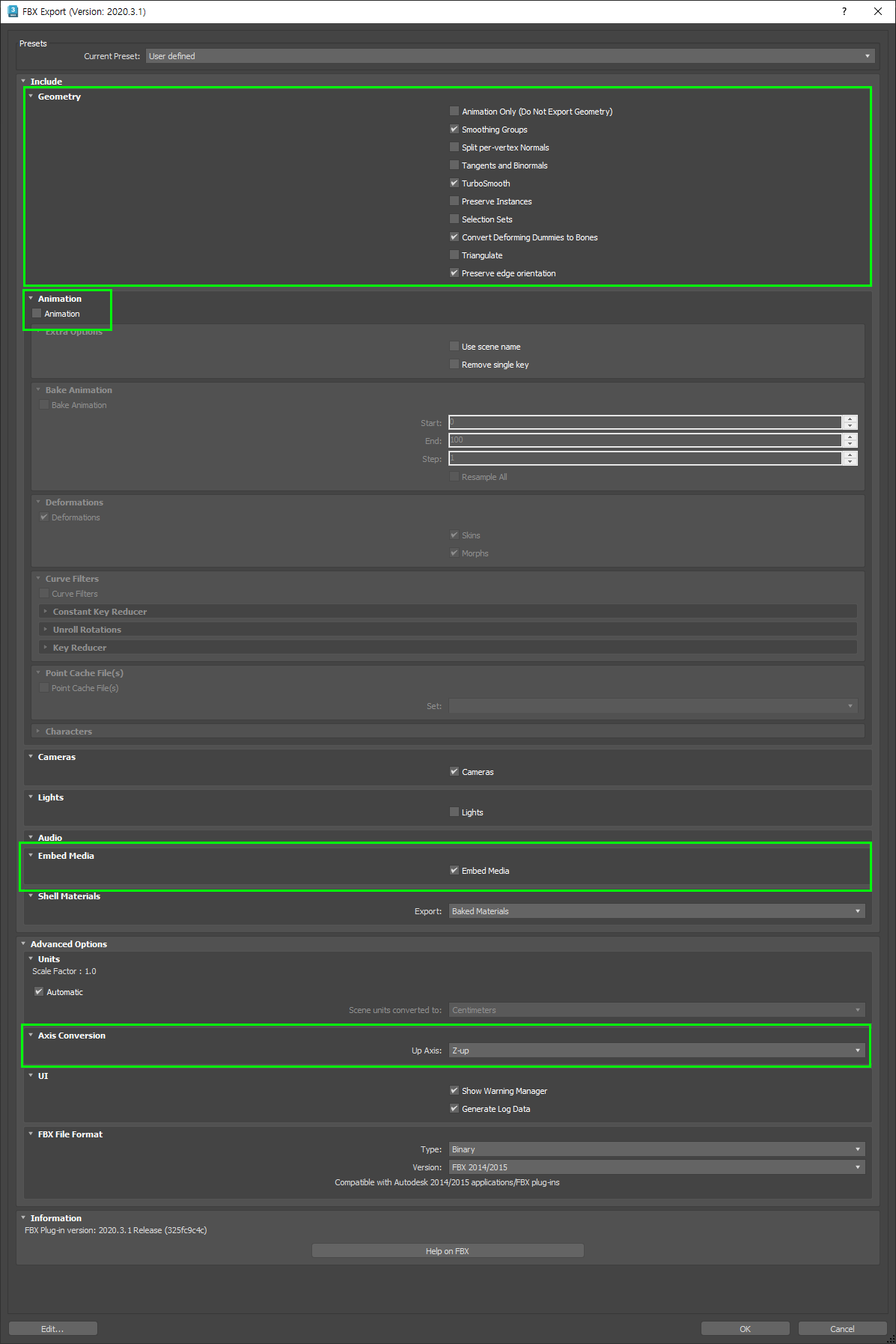
3. Check the following FBX Export options.

<figure><img src="/files/btZoH1GseZRQieqrfe0s" alt=""><figcaption></figcaption></figure>

{% hint style="success" %}
Check Embed Media to ensure the FBX is extracted with the texture included.
{% endhint %}

{% hint style="danger" %}
Please make sure to **uncheck Animation**. There may be errors during conversion if it's checked.
{% endhint %}

### 5. Export the shoes as FBX

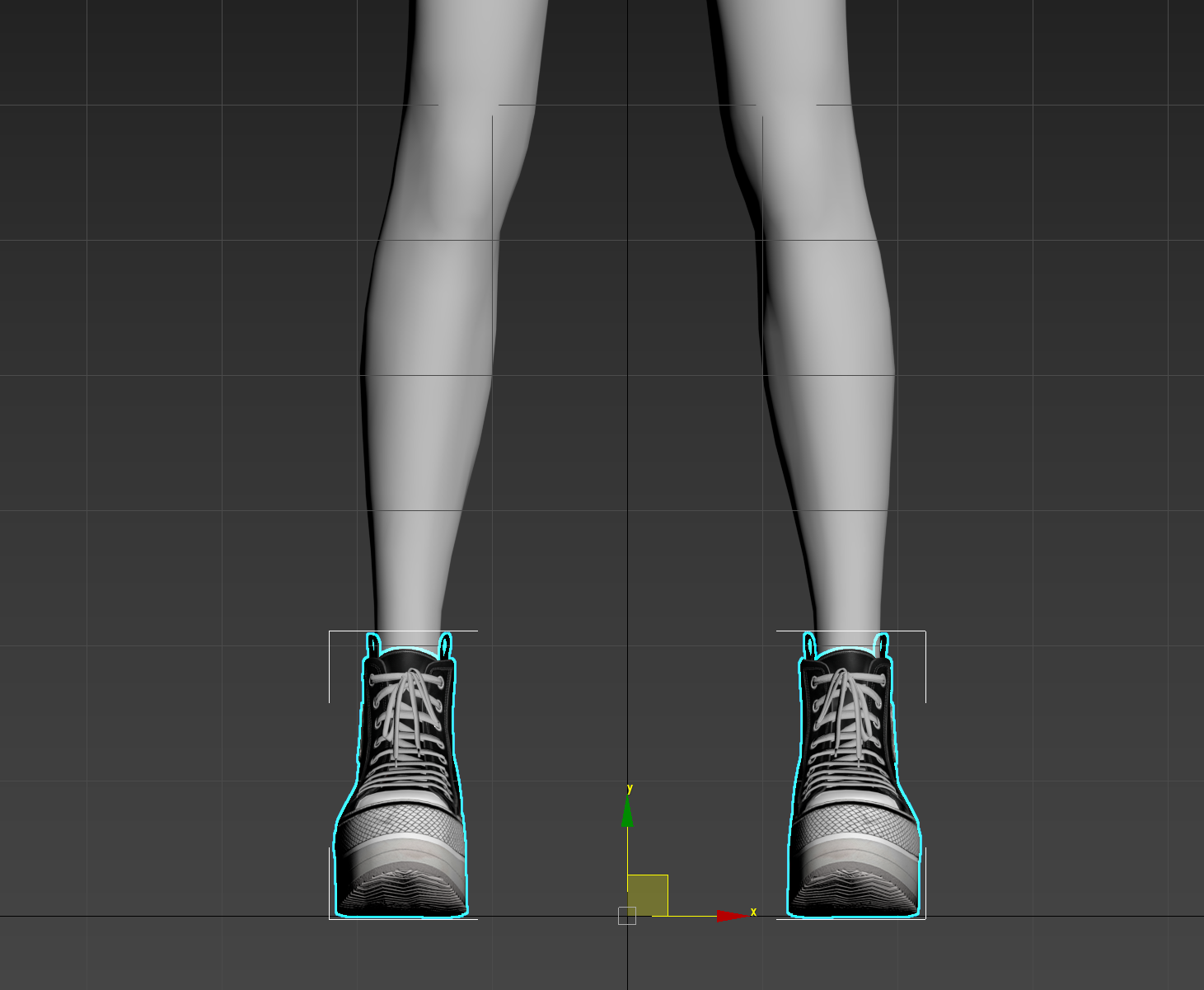
Shoes must be uploaded as a symmetrical pair, both left and right.

<figure><img src="/files/UlszGOrNuwYIotS7EiqG" alt=""><figcaption></figcaption></figure>

{% hint style="info" %}
Only the left shoes will be visible when editing in the design tool.
{% endhint %}

<figure><img src="/files/pk3zMv7wTwF7S5XvcXRd" alt=""><figcaption></figcaption></figure>


---

# Agent Instructions: Querying This Documentation

If you need additional information that is not directly available in this page, you can query the documentation dynamically by asking a question.

Perform an HTTP GET request on the current page URL with the `ask` query parameter:

```
GET https://docs.altava.com/creator-guide/3d-modeling/exporting/3ds-max.md?ask=<question>
```

The question should be specific, self-contained, and written in natural language.
The response will contain a direct answer to the question and relevant excerpts and sources from the documentation.

Use this mechanism when the answer is not explicitly present in the current page, you need clarification or additional context, or you want to retrieve related documentation sections.